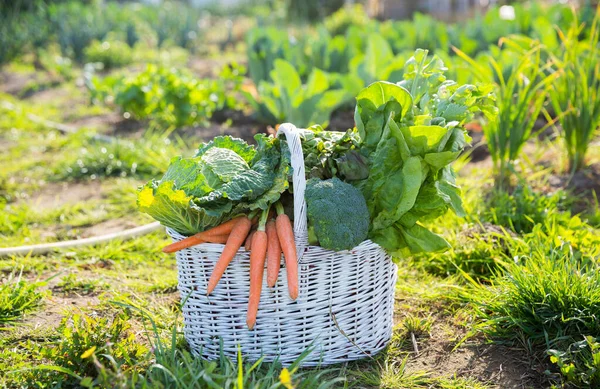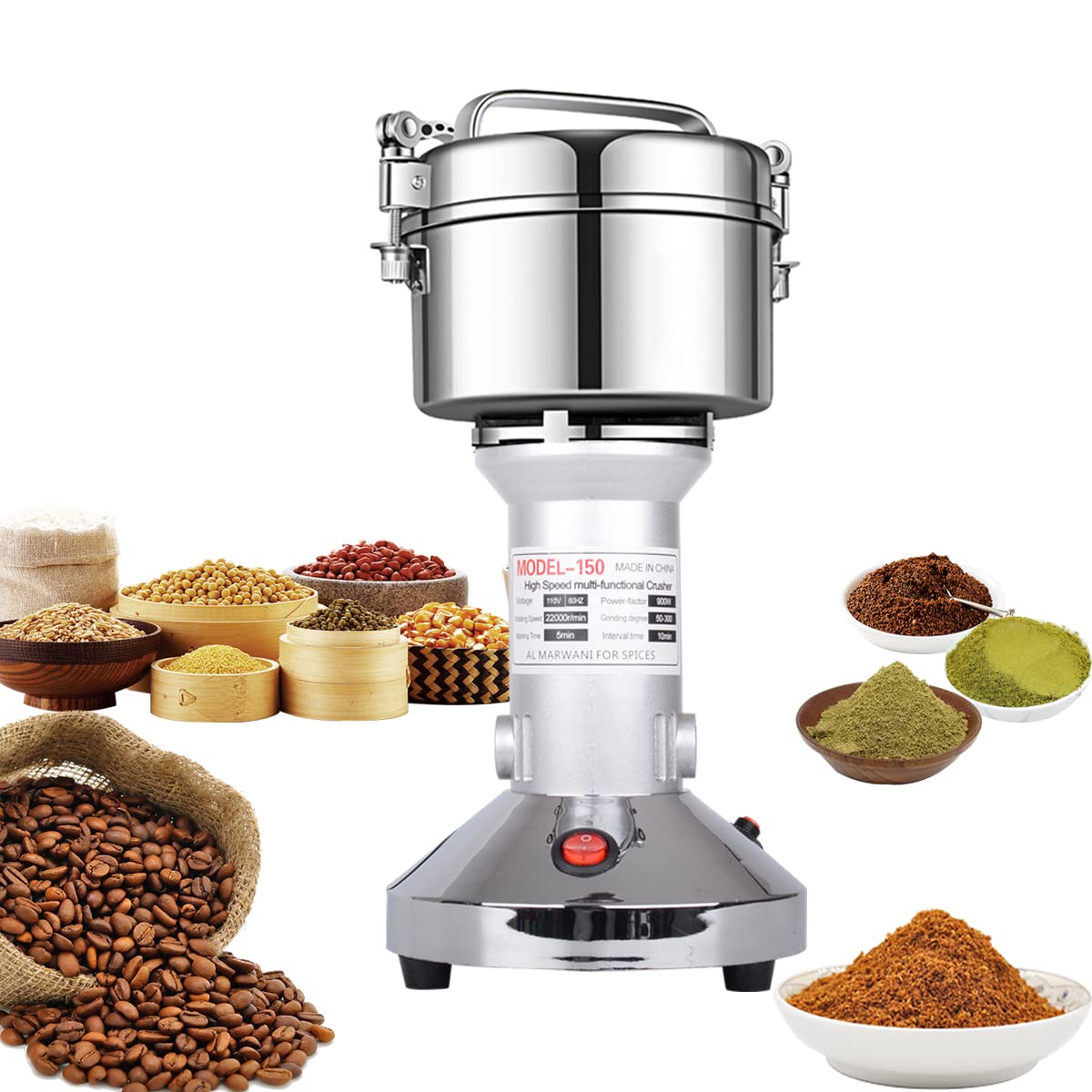
The African continent stands at an economic inflection point, moving decisively beyond the reliance on raw commodity exports and into the critical domain of value addition. At the heart of this transformation is Agro-business Processing, a sector poised to fundamentally redefine global food security, industrialization, and continental wealth. Projections indicate that the African agribusiness market is expected to surge to an astonishing US$1 trillion by 2030, making it the single most significant investment opportunity of the decade.
For the astute entrepreneur and the strategic investor, agro-processing is not just a commercial venture; it is a vital engine for economic diversification, job creation, and sustainable growth. This comprehensive post serves as your authoritative guide to understanding this sector, quantifying its costs, analyzing its profitability, and mastering the complex operational environment, with a specific focus on the dynamic market of Kenya—East Africa’s economic hub.
1. What is Agro-Processing?
Agro-processing refers to the transformation of products originating from agriculture, forestry, and fishing into intermediate or finished goods. It is the crucial link between primary production and final consumption, converting perishable raw materials into stable, tradable, and high-value commodities. Globally, it is a low-tech, labour-intensive sector, making it ideal for absorbing low-skilled labour and driving inclusive growth in Africa.
Top Agro-processing Opportunities in Kenya
In Kenya and across Africa, agro-processing constitutes the largest segment of the manufacturing sector. The sector is highly diverse, offering a range of investment entry points from small-scale cottage industries to large industrial plants:
- Grains Milling and Staples Processing: This involves the transformation of staple crops like maize, wheat, rice, millet, and sorghum into flour, breakfast cereals, and fortified products. Given that Kenya frequently runs a perpetual deficit in maize and wheat production relative to consumption, investment in efficient, large-scale milling and storage is essential.
- Dairy and Livestock Products: The processing of milk into long-life milk, powder, cheese, yogurt, and butter. Kenya boasts the continent’s largest and best-quality dairy herd, creating an opportunity for technology-driven transformation, especially for export markets in North Africa and Asia. Value addition in meat processing and specialized animal feed production also offers high returns.
- Horticulture and Fruit Processing: The transformation of fruits (mangoes, pineapples, passion fruit, avocado, etc.) and vegetables into pulps, concentrates, finished juices, canned foods, and dehydrated products. This is perhaps the most lucrative “low-hanging fruit” opportunity, as up to 40% of Kenya’s fruit crop currently goes to waste, and only 8% of it is processed.
- Oilseed Processing: Converting oilseeds (sunflower, sesame, canola, groundnuts) into edible oils, cooking fats, and oilcake for animal feed. This addresses a significant regional competitive gap and reduces reliance on expensive imports.
- Non-Food Value Chains: This includes processing high-value agricultural derivatives such as leather and hides, cotton, timber, rubber, and the extraction of nutraceuticals from indigenous plants.
2. Is Agro-Processing Profitable in Kenya?
The profitability of agro-processing hinges on one key factor: closing the value addition gap. Africa, despite its vast agricultural resources, consistently exports raw, low-value commodities and imports finished, high-value food products. Sub-Saharan Africa’s food import bill was $43 billion in 2019, highlighting an immense opportunity for import substitution and regional trade.
The Three Drivers of Profitability
- Consumer Demand Shift (The Middle Class): Rapid urbanization and the expansion of Africa’s middle class are driving a seismic shift in consumer preferences toward packaged, processed, safe, and convenient foods. Companies that can balance the demand for modern convenience with the affordability reality of the African consumer will capture substantial market share.
- Mitigation of Post-Harvest Loss (The Efficiency Gain): Converting raw products into processed goods is the most effective way to eliminate post-harvest losses, which can reach up to 40% for certain perishables like fruits. An investment in processing is essentially an investment in preserving revenue that would otherwise be lost. For example, a successful small-scale passion fruit farm in Kenya can yield a net profit between KES 420,000 and KES 2,050,000 per acre annually, and processing this fruit further adds another significant layer of margin.
- Export Competitiveness (The Global Market): By increasing the level of processing—currently only 16% of Kenya’s agro exports are processed—African businesses can access premium international markets. Processed goods, such as finished leather, preserved fruits, and high-quality coffee or tea, command higher, more stable prices than their raw counterparts.
3. How to start a Small-Scale Fruit Pulp/Juice Business in Kenya
To provide tangible information for entrepreneurs and investors, we will model the start-up cost for a small-scale agro-processing business: a Fruit Pulp and Juice Processing Unit in a peri-urban area of Kenya. This model balances the high demand for value-added fruit products with a manageable capital outlay.
(Note: Costs are approximate estimates based on recent market data, using an approximate exchange rate of 1 USD = 130 KES for the purpose of a mock account.)
Tier 1: Initial Regulatory and Operational Setup (KES/USD)
| Cost Category | Item Description | Estimated KES Cost | Estimated USD Cost | Notes/Source |
| Legal & Statutory | Business Name Search & Registration | KES 1,100 | $8.50 | Basic registration fee |
| Company Registration (CR1, CR2, etc.) | KES 10,000 | $77.00 | Fee for incorporating a Limited Company | |
| Stamp Duty (on Nominal Capital) | KES 2,020 + 1% | $15.50 + 1% | Varies with capital | |
| KRA PIN & VAT Registration | KES 0 | $0.00 | Mandatory, no direct cost | |
| County Single Business Permit (SBP) | KES 8,000 – 15,000 | $60 – $115 | Varies by county and size (Small scale) | |
| NEMA/KEBS Certification (Initial Audit/Application) | KES 50,000 – 150,000 | $385 – $1,155 | Essential quality/safety compliance | |
| Fixed Assets (Premises) | Workshop/Processing Space Deposit (2 months) | KES 60,000 – 100,000 | $460 – $770 | Rent for a small industrial space |
| Sub-Total Regulatory & Premises | KES 131,120 – 278,120 | $1,006 – $2,136 |
Tier 2: Equipment and Machinery (The Value Addition Engine)
This budget targets a semi-automatic, medium-output unit capable of producing up to 500 liters of juice/pulp per day.
| Cost Category | Item Description | Estimated KES Cost | Estimated USD Cost | Notes/Source |
| Processing | Fruit Washer/Cleaning Tank (Stainless Steel) | KES 80,000 – 150,000 | $615 – $1,155 | Essential for hygiene |
| Fruit Pulper/Juice Extractor (Small Commercial) | KES 150,000 – 300,000 | $1,155 – $2,308 | Core machinery | |
| Pasteurizer/Boiler (Small Batch Type) | KES 200,000 – 450,000 | $1,538 – $3,462 | For shelf-life extension | |
| Storage Tanks (Stainless Steel, 500-1000L) | KES 100,000 – 200,000 | $770 – $1,538 | For holding product before packaging | |
| Packaging & Cold Chain | Small-Scale Packaging/Filling Machine | KES 80,000 – 180,000 | $615 – $1,385 | Sealing bottles or pouches |
| Deep Freezer/Cold Storage Unit | KES 50,000 – 100,000 | $385 – $770 | To preserve raw materials/finished pulp | |
| Utilities & Safety | Water connection/Industrial wiring modifications | KES 30,000 – 50,000 | $230 – $385 | |
| Sub-Total Equipment | KES 690,000 – 1,430,000 | $5,308 – $11,003 |
Tier 3: Working Capital and Initial Inventory
| Cost Category | Item Description | Estimated KES Cost | Estimated USD Cost | Notes/Source |
| Initial Inventory | Raw Materials (e.g., Passion Fruit/Mangoes) | KES 100,000 – 200,000 | $770 – $1,538 | Purchase of 1-2 weeks’ supply |
| Packaging Materials (Bottles, labels, cartons) | KES 50,000 – 100,000 | $385 – $770 | ||
| Personnel | Initial Staff Salary (3 months, 2-3 workers) | KES 90,000 – 180,000 | $692 – $1,385 | Basic wages, entry-level |
| Contingency | Unexpected costs, initial marketing | KES 50,000 – 100,000 | $385 – $770 | |
| Sub-Total Working Capital | KES 290,000 – 580,000 | $2,232 – $4,463 |
Summary Investment Cost
| Scenario | Total Estimated KES Capital | Total Estimated USD Capital | Investment Profile |
| Minimum Start-Up | KES 1,111,120 | ~$8,546 | Bare minimum, second-hand equipment, minimal inventory |
| Recommended Start-Up | KES 1,500,000 – 2,288,120 | ~$11,538 – $17,601 | New, small-scale commercial equipment, 3 months working capital |
| Investor Entry | > KES 13,000,000 | > $100,000 | Required minimum for an investor work permit (Class G) for foreigners |
Conclusion on Cost: A local entrepreneur can launch a small, value-adding fruit processing unit for approximately KES 1.5 million to KES 2.3 million (~$11,500 to $17,600). This demonstrates that agro-processing, unlike heavy manufacturing, is accessible to local capital while still offering high-margin growth.
4. Regulatory Framework in Agroprocessing
For both local entrepreneurs and international investors, the operating environment—particularly the regulatory framework—is a critical factor in determining profitability and scaling potential. This section leverages specific, authoritative insights from the ground to guide your strategy.
The Cost of Doing Business in Kenya: The Regulatory Burden
The Kenya Association of Manufacturers (KAM) Regulatory Audit Survey identifies systemic issues that inflate the cost of doing business in the manufacturing sector, including agro-processing. These burdens directly impact the financial viability shown in the mock account above:
- Overlapping and Duplicative Charges: Businesses often face the same or similar levies and fees from multiple agencies, leading to duplication in costs and compliance efforts. Examples include:
- Multiple charges for water and effluent discharge.
- Duplication in quality certification between the Kenya Bureau of Standards (KEBS) and other county health departments.
- High costs associated with distribution licenses and county cess (taxes on movement of goods).
- Permit Proliferation: The sheer volume of mandatory permits and licenses from various government tiers (national and county) creates bureaucracy, delays, and a significant administrative overhead for compliance.
The KAM survey specifically noted that addressing these issues, primarily by streamlining overlapping regulatory mandates and eliminating duplicated licenses, could reduce the overall cost of doing business for manufacturers by up to 28.9%.
Strategic Takeaways for Investors
Investors must factor this regulatory friction into their business model and mitigate it through strategic action:
- Selectivity in Location: Research county-level regulatory compliance records and incentives. Some counties actively work to reduce business permits, making them more attractive for initial setup.
- Professional Compliance Management: Dedicate resources to compliance. The savings achieved by avoiding fines and ensuring quick processing of KEBS/NEMA certifications far outweigh the cost of expert regulatory consultants.
- Advocacy and Collaboration: Engage with industry bodies like KAM or the relevant sectoral associations. Collective advocacy for streamlined regulation is a proven strategy for lowering operational costs.
5. How to succeed in Agro-processing Business in Kenya
To achieve authority status in the eyes of investors, a long-term strategy that transcends national borders is essential. The following trends illuminate where sustained capital investment will yield the highest returns across the continent:
A. Developing the ‘Soft’ and ‘Hard’ Infrastructure of Value Chains
The primary challenge outside the processing plant is the supply chain. Investment is desperately needed in post-harvest infrastructure—specifically, cold chain logistics, refrigerated transport, and modern storage facilities. Without reliable cold chains, even the best processing plant will face high raw material losses. Investment in aggregation, logistics, and data-driven supply chain management presents a high-growth, supporting opportunity.
B. Focus on Feedstock and Industrial Inputs
The production of industrial inputs is a low-competition, high-demand area. This includes:
- Animal Feeds: Producing affordable, quality feeds for the growing poultry, dairy, and pig sectors is one of the most profitable and foundational agribusiness ideas.
- Agrochemicals and Improved Seeds: Factories for the domestic manufacturing of fertilizers, insecticides, herbicides, and high-yield seeds reduce dependency on imports and increase the productivity of the farmers who supply the processing plant.
C. The Power of Inclusive Models
Sustainable success in African agro-processing demands strong backward linkages with smallholder farmers (SHFs). Successful models often involve contract farming or aggregator models, where the processor provides SHFs with inputs, extension services, and guaranteed off-take prices. This reduces volatility and ensures a consistent supply of quality raw materials, which is crucial for meeting international quality standards.
D. The Continental Trade Horizon
The ratification of the African Continental Free Trade Area (AfCFTA) is a game-changer. It promises to dismantle trade barriers, making it easier to serve the continent’s burgeoning consumer base. Investors should design their processing units and products not just for the Kenyan market, but for regional export to countries like Botswana, Zambia, and Nigeria, which are significant importers of processed food preparations and non-alcoholic beverages. Regional market competitiveness should be a core consideration from day one.
Conclusion
The opportunity in African agro-processing is clear: a vast, under-served market where the core value proposition is simply to process what is grown. The path to high returns lies in strategic investments in value-addition technology, rigorous attention to compliance, and a commitment to integrating smallholder farmers into the supply chain. For the global investor, the sector offers a hedge against the volatility of extractive industries; for the African entrepreneur, it offers a sustainable pathway to wealth creation and national industrialization. Mastering the operational costs, as defined by the regulatory environment, and scaling with an eye on regional trade, is the definitive formula for capturing the value of Africa’s trillion-dollar agro-industrial destiny. The time to move from farm-to-commodity to farm-to-shelf is now.
For a visual guide on setting up your initial capital and infrastructure, this video provides context on starting a small agro-shop: Starting an Agro-shop on a budget.