In this article
Key takeaways
- A curtain and decor shop costs about KSh 450,000 on our estimates.
- Curtain fabric sells for about KSh 350 to 1,800 a metre in Nairobi.
- About eight curtain orders a month cover a shop with a tailor.
- Kenyans abroad are a growing source of orders.
- Measure yourself and take half the price before cutting.
Tom Mboya Street, mid-morning. Fabric hangs three storeys high and tailors sew on the pavement.
A customer holds a swatch against a photograph of her sitting room. She will spend more here than on her sofa.
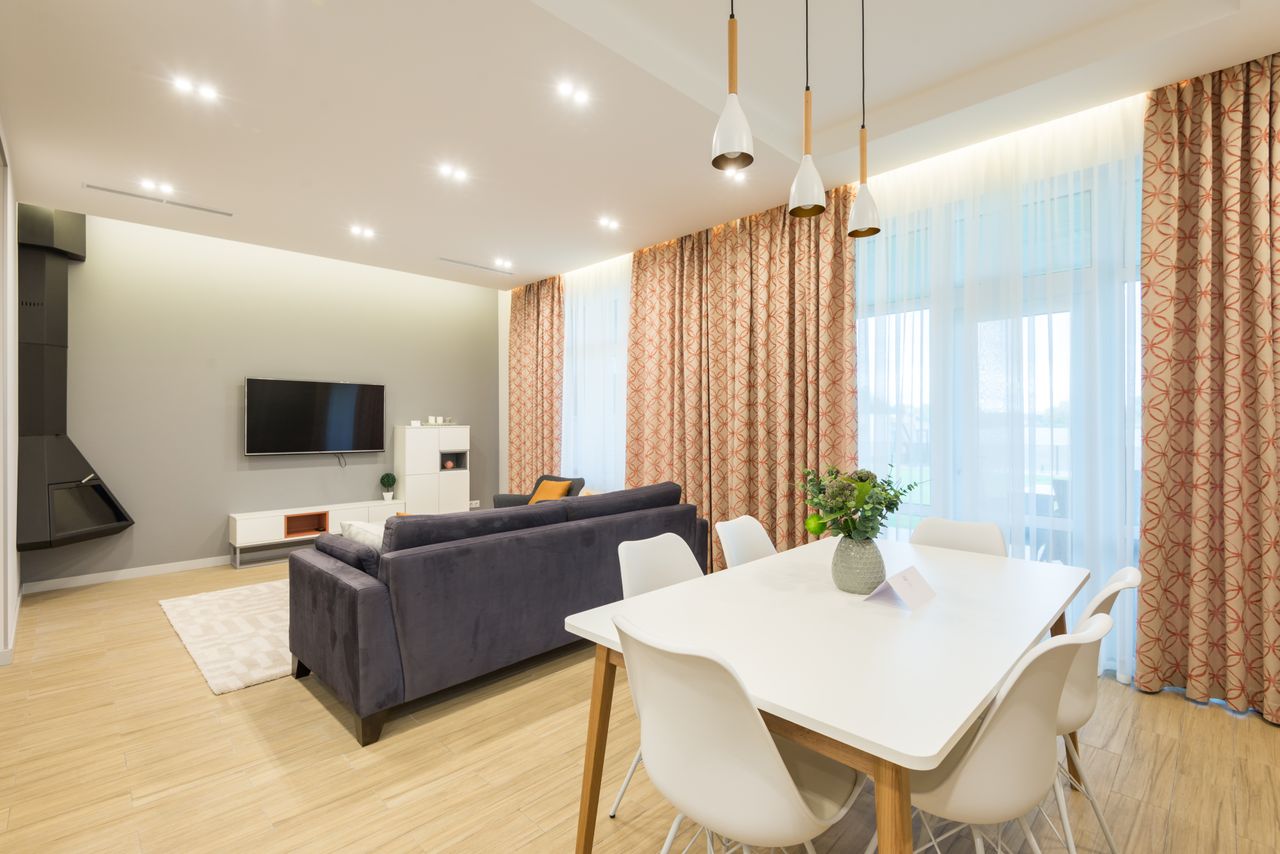
This guide covers a home decor business in Kenya, built around curtains. You will see prices, capital, stock and the orders you need.
People do not buy fabric. They buy a room they are proud to show.
A curtain and decor shop costs about KSh 450,000. One living-room order at KSh 22,000 leaves about KSh 7,000. Eight orders a month cover costs, and twelve leave about KSh 30,167. Order value and cost are assumptions.
What Curtains and Decor Sell For
Curtain fabric sells for about KSh 350 to 1,800 a metre in Nairobi. Heavy blackout fabric reaches KSh 2,700.
A six-metre double curtain rail is listed at KSh 1,250 (Jiji).
Quote by the window: fabric, sheers, stitching, rail and fitting in one figure.
Measure yourself. Customers’ own measurements are wrong more often than right.
Who Buys Home Decor?
People moving into a new house, landlords, short-stay hosts and hotels. Kenyans abroad also order for homes here and overseas.
Whole-house orders
Every window at once, within a month of moving.
Repeat refreshes
They redecorate to keep ratings up.
Orders by phone
They pay in advance and want photographs.
Nairobi curtain sellers report steady orders from Kenyans in Canada, the United States and Britain (Business Daily, July 2026).
Most fabric is imported and then stitched to order locally. Your skill is advice, measuring and finish.
Is a Home Decor Business Profitable in Kenya?
Yes, above about eight curtain orders a month for a shop with a tailor. Twelve orders leave about KSh 30,167.
Our model order is one living room at KSh 22,000. Fabric, rails and stitching materials take KSh 15,000.
That leaves KSh 7,000 an order. Both figures are assumptions built from published fabric prices.
Home decor shop at three workloads (KSh, our model)
| Orders a month | Gross sales | Fabric, rails, materials | Fixed costs | Left for the month |
|---|---|---|---|---|
| 4 | 88,000 | 60,000 | 53,833 | -25,833 |
| 12 | 264,000 | 180,000 | 53,833 | 30,167 |
| 25 | 550,000 | 375,000 | 53,833 | 121,167 |
Gross sales are not profit. Fixed costs include a tailor at KSh 22,000, an estimate. Small decor sales are extra and not counted.
People do not buy fabric. They buy a room they are proud to show.
What It Costs to Start a Home Decor Business
About KSh 450,000 for a shop with fabric and a sewing machine. Selling from a sample book needs about KSh 60,000.
Samples, a tape and a partner tailor.
- Visit customers at home
- Buy fabric per order
- No shop rent
Fabric rolls, a tailor and display.
- Walk-in and online orders
- About eight orders a month to break even
- Small decor items for daily cash
Adds blinds, carpets and a fitting team.
- Whole-house projects
- Developers and hotels
- A van on hire
Curtain and decor shop: every line
| Item | Budget | Why |
|---|---|---|
| Curtain and sheer fabric rolls | KSh 200,000 | Ten to fifteen designs at two price levels. |
| Rent deposit and first month | KSh 60,000 | Three months at KSh 20,000. |
| Industrial sewing machine and overlock | KSh 60,000 | Straight hems, fast. |
| Rails, rods, hooks and tie-backs | KSh 40,000 | Sold with every order. |
| Display boards and shelving | KSh 35,000 | Fabric shown hanging, not folded. |
| Cushions, mats and wall art | KSh 30,000 | Small items for walk-in sales. |
| Reserve | KSh 15,000 | For fabric a customer picks from a sample. |
| County permit | KSh 10,000 | Small shop band. |
| Total | KSh 450,000 | Worked example only. |
Budget lines are our late-2026 estimates. Fabric choice changes the total more than anything else.
How One Curtain Order Runs
Measure, quote, take half, stitch and fit. A living room takes two to four days from deposit to hanging.
- 1Visit and measure.Width, drop and where the rail will sit.
- 2Choose fabric.Show samples against the wall and sofa.
- 3Quote and take a deposit.Half now covers the fabric.
- 4Cut and stitch.Allow fullness: fabric at about double the width.
- 5Fit.Rail, hooks, steam and arrange the folds.
- 6Photograph.With permission, for your page.
Fullness is the common mistake. Skimpy curtains look cheap whatever the fabric cost.
Fit the rail yourself or supervise. A crooked rail ruins good stitching.
How to Cost a Living Room
Add fabric, sheers, rail, stitching materials and transport, then add your margin. Quote one figure, with the list beneath.
Illustrative living-room order (KSh)
| Item | Quantity | Value |
|---|---|---|
| Curtain fabric at KSh 700 a metre | 10 m | 7,000 |
| Sheer fabric at KSh 500 a metre | 10 m | 5,000 |
| Double rail | 1 | 1,250 |
| Tape, hooks and thread | 1 lot | 750 |
| Transport to fit | 1 trip | 1,000 |
| Direct cost | 15,000 | |
| Price to customer | 22,000 |
Our own illustrative order. Curtain fabric sits inside published ranges, and the sheer price is our assumption. The tailor’s wage is a fixed cost, not shown here.
The direct cost matches the KSh 15,000 in our model. Heavier fabric lifts both cost and price.
Never discount below fabric cost plus the tailor’s day. Busy weeks hide losses.
What to Stock Beside Curtains
Small items that complete a room and sell daily: cushions, mats, throws, wall art and artificial plants.
Stock for daily sales
- 1Cushions and covers
- 2Door and bathroom mats
- 3Wall clocks and frames
- 4Table runners and throws
Sell to order
- 1Carpets and rugs
- 2Blinds
- 3Wallpaper
- 4Bedding sets
Arrange the shop as rooms, not shelves. A dressed corner sells five items at once.
Change the display monthly. Regular passers-by stop when something looks new.
Selling to Customers You Never Meet
Send clear photographs, a written quote and a video of the finished curtains. Distant buyers pay for certainty.
- 1Photograph fabric in daylight.Colours shift under shop lights.
- 2Ask for window sizes on video.Guide the customer through measuring.
- 3Quote everything.Fabric, stitching, rails, packing and courier.
- 4Take full payment before shipping.Custom curtains cannot be resold.
- 5Send a hanging guide.A short video prevents complaints.
Where to Buy Fabric and Rails
Importers in Nairobi’s Eastleigh and the downtown fabric streets sell by the roll. Rails and hooks come from hardware wholesalers nearby.
Buy full rolls of your five best sellers and cut lengths of the rest.
Check each roll for flaws and colour match. Two rolls of one design can differ in shade.
Keep a swatch card of every fabric with its supplier and price.
Ask suppliers which designs hotels are buying. Those sell to households a season later.
Permits You Need
A county business permit for the shop, and a registered business for hotel and developer work.
Expect about KSh 10,000 a year for a small shop in Nairobi (PaybillKE, citing the county Finance Act 2026).
Larger clients ask for a certificate and tax PIN. Start with our guide to registering a business in Kenya.
What Goes Wrong
Wrong measurements, slow-moving fabric and work started without a deposit.
- 1Measuring by phone.A curtain ten centimetres short is a remake.
- 2Too many designs.Money sleeps in rolls nobody chooses.
- 3No deposit.Cut fabric cannot go back on the roll.
- 4Late fitting.Customers moving house have a fixed date.
People do not buy fabric. They buy a room they are proud to show.
How to Grow Into Interiors
Add blinds, carpets and whole-house packages. Each uses the same visit and the same customer.
Add products
- 1Blinds
- 2Carpets and rugs
- 3Wallpaper and wall panels
- 4Bedding and towels
Add income
- 1Developer show-house contracts
- 2Hotel and short-stay refreshes
- 3Diaspora shipping orders
- 4Curtain cleaning and re-hanging
Funding a larger fabric order? Our business loans guide explains the terms to compare.
Ready to cost your first order?
Price one living room, line by line, on a single page.
Written by Trailblazers
We help Kenyan entrepreneurs test business ideas before they spend. Our guides use public sources and clearly labelled assumptions.
Questions readers ask
How much does it cost to start a home decor business in Kenya?
About KSh 450,000 for a shop with fabric and a tailor. A sample-book start needs about KSh 60,000.
How much are curtains per metre in Kenya?
About KSh 350 to 1,800 a metre, and up to KSh 2,700 for heavy blackout fabric.
Is a curtains business profitable in Kenya?
Yes, above about eight orders a month. Twelve orders leave about KSh 30,167 on our model.
Where do curtain sellers buy fabric?
From importers in Nairobi’s Eastleigh and downtown fabric streets.
Do I need a shop to sell curtains?
No. Many sellers visit customers with a sample book and use a partner tailor.